-

Unpreserved issues often are unreviewable on appeal. If an issue is not distinctly raised at trial and ruled on by the trial court, an Appellate Court will not review it—absent limited exceptions. This is why issue preservation should be a component of your trial strategy. In a high-stakes trial, it is easy to focus entirely
-
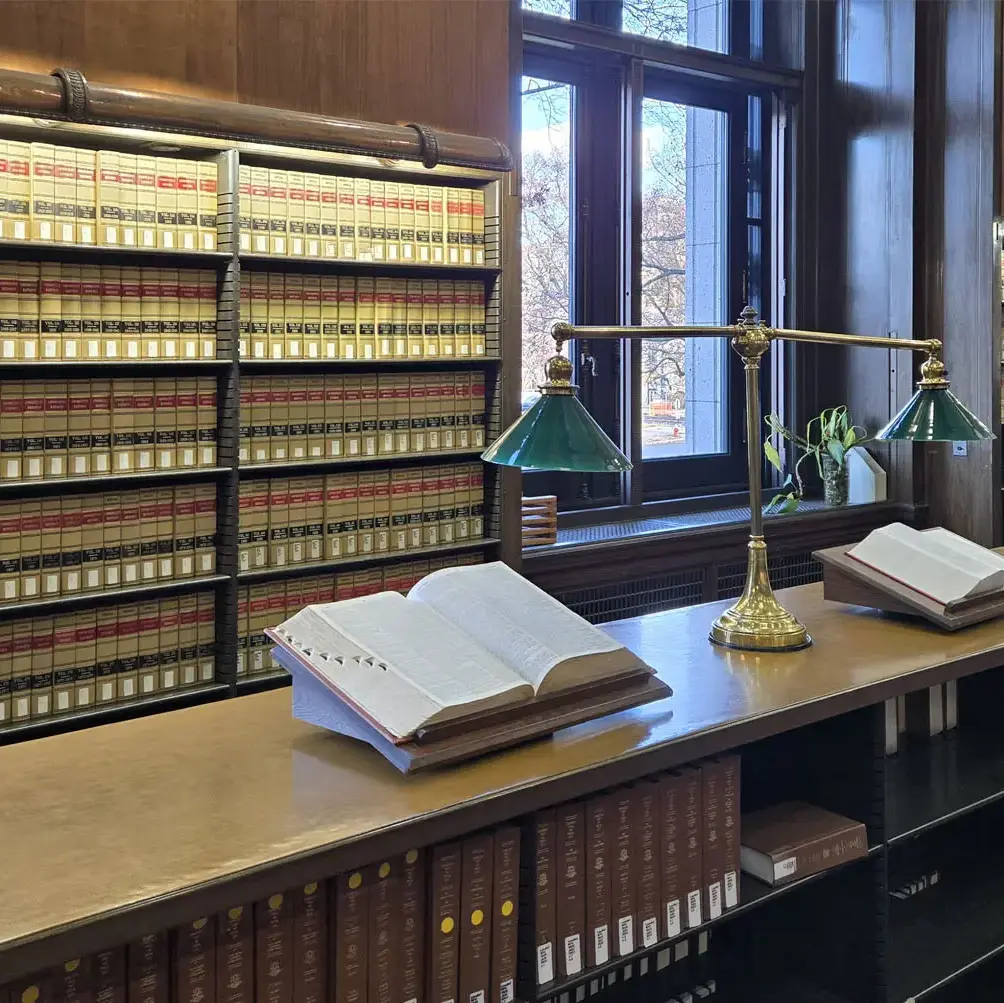
As a Connecticut appellate attorney, I often work with trial attorneys at the post-judgment stage—sometimes on a full appeal, but other times to explore whether an appeal can be avoided. One way to do that in Connecticut is by filing a motion to reargue / motion for reconsideration—formally known as a Practice Book § 11-11
-

When awarding child support, Connecticut courts must follow the child support guidelines, which establish a presumptive amount based on the parents’ incomes. A court may deviate from these guidelines, however, only if it makes three specific findings on the record to justify the deviation. Failure to do so can result in reversal on appeal. A
-
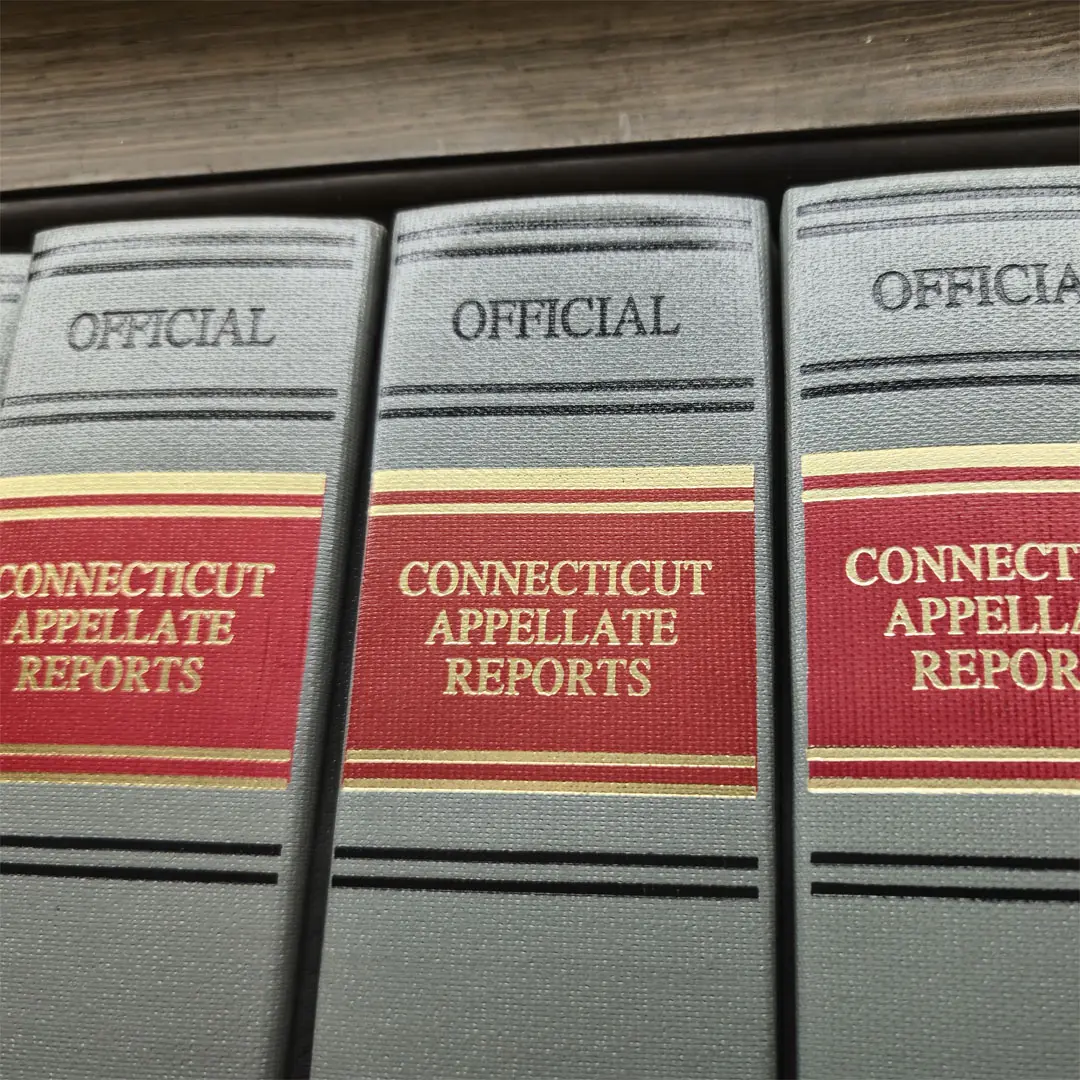
Since launching Connecticut Appellate Law Firm, one of the most frequently asked questions I have received is: “How long does a Connecticut civil or family appeal take to resolve?” In legal practice, the answer is often “it depends.” Under typical circumstances and without any special motions or complexities, the process from filing an appeal to
-
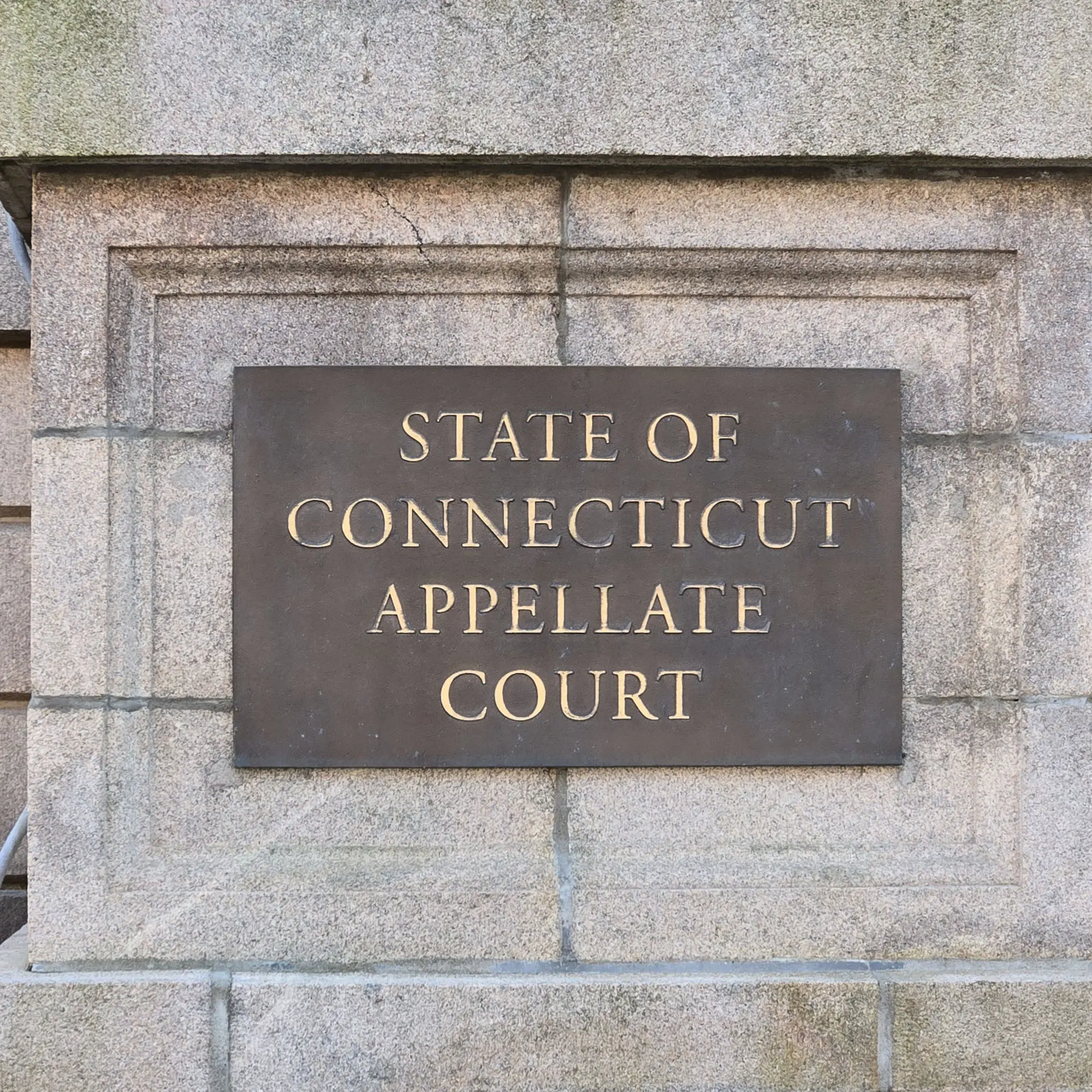
In Cardona v. Padilla, the Connecticut Appellate Court considered whether the trial court abused its discretion in making its custody and visitation orders, which substantially limited the non-custodial parent’s access to parenting time with the child. In this family appeal, the Appellate Court held that the trial court abused its discretion because the trial court
-

When an appellant challenges a trial court’s factual findings, attention to procedural rules is crucial. In Park Seymour Associates, LLC v. City of Hartford / Park Squire Associates, LLC v. City of Hartford, the plaintiffs discovered this the hard way. Despite their reliance on testimony to argue that the trial court’s factual findings were clearly
-

In North Branford Citizens Against Bulk Propane Storage v. Town of North Branford et al., the Connecticut Appellate Court considered a plaintiff-association’s challenge to a zoning regulation amendment that allowed the construction of a bulk propane storage facility in North Branford. In resolving the appeal, the Appellate Court relied on an unpreserved alternative ground for
-

The Connecticut Supreme Court recently tackled a nuanced legal issue in Suprynowicz v. Tohan: whether allegations involving a reproductive endocrinologist’s misconduct during IVF procedures should be classified as wrongful life claims or ordinary negligence. This decision provides key insights into Connecticut tort law and the fine line between these two claim types, offering guidance to
-
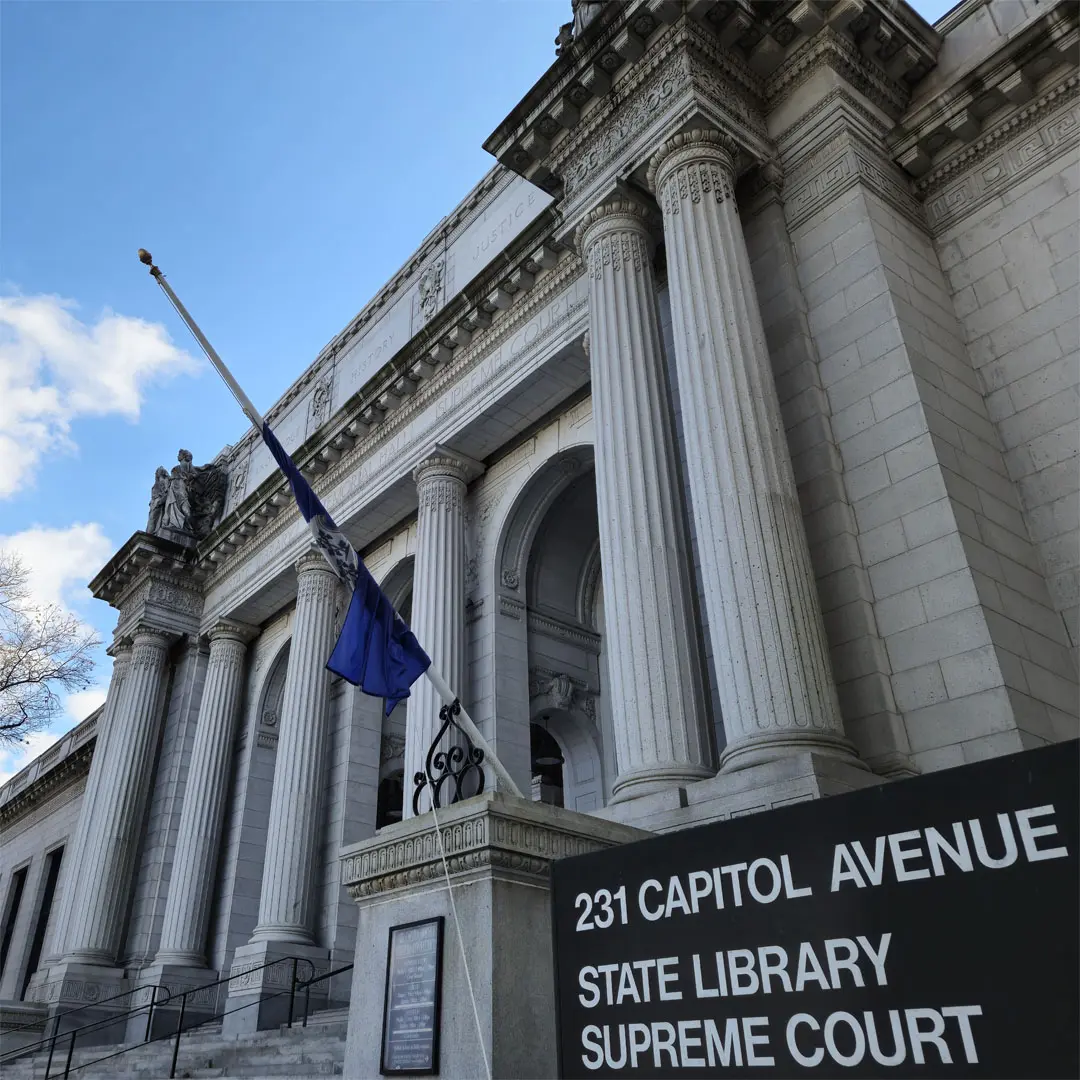
An Insurer’s Conduct Can Render a Cancellation Notice Ambiguous An insurer’s conduct can render a cancellation notice that otherwise complies with General Statutes § 31-348 indefinite, uncertain, and ambiguous. This decision from the Connecticut Supreme Court highlights the importance of clarity in cancellations and provides guidance for attorneys handling such cases. Case Background Thomas Napolitano, doing
-
What happens when the trial court’s reasoning falters on appeal? For appellees, alternative grounds for affirmance can save the day. Appellees must consider all possible bases for affirmance, including those not relied on by the trial court. By raising and briefing alternative grounds, appellees provide appellate courts with additional paths to uphold a decision. The

A Brief Review
A Connecticut Appellate Law Blog

TOPICS:
- A Brief Review (22)
- Abuse of discretion (2)
- Adequate record for review (4)
- Administrative appeal (1)
- Alternative grounds for affirmance (3)
- Appeal deadlines (1)
- Appellant (7)
- Appellate motions (4)
- Appellate process (8)
- Appellate stay (2)
- Appellee (3)
- Breach of contract (1)
- Child support appeals (1)
- Civil appeals (3)
- Comparative negligence (1)
- Complaint (1)
- Complex litigation (1)
- Connecticut Appellate Court (9)
- Connecticut Practice Book (8)
- Connecticut Rules of Appellate Procedure (8)
- Connecticut Supreme Court (2)
- Constructive notice (1)
- CORE 4 (3)
- Custody and visitation (1)
- Family appeals (4)
- Golding (1)
- Insurance (1)
- Issue preservation (4)
- Land use (1)
- Motion for articulation (1)
- Motion for review (1)
- Motion to dismiss (1)
- Motion to open (1)
- Motion to reargue (3)
- Negligence (2)
- Personal injury (2)
- Plain error (1)
- Pleadings (1)
- Plenary review (1)
- Post-judgment motions (4)
- Preliminary appeal papers (2)
- Premises liability (1)
- Probate appeals (1)
- Standing (2)
- Statutory interpretation (1)
- Subject matter jurisdiction (3)
- Supervisory authority (1)
- Supreme Court Certification Watch (1)
- Trial court motions (2)
- Trial strategy (1)
- Unpreserved issues (1)
- Workers' compensation insurance law (1)
- Zoning (1)
- Firm News (17)
About A Brief Review:
A Connecticut Appellate Law Blog
Appeals in Connecticut can be complex—but understanding them does not have to be. A Brief Review is a Connecticut appellate law blog that offers clear, concise insights into Connecticut appeals. Authored by Connecticut appellate attorney Megan Wade, this blog provides updates on recent appellate decisions, practical tips on appellate procedure, and broader discussions about the legal system. Whether you are a trial attorney looking for quick takeaways or someone simply curious about appeals in CT, this blog helps you stay informed, feel more confident navigating the appellate process—and maybe even enjoy the process along the way.